Assessing the $300 Billion Climate-Finance Target: A Closer Look
December 4, 2024 - 00:59
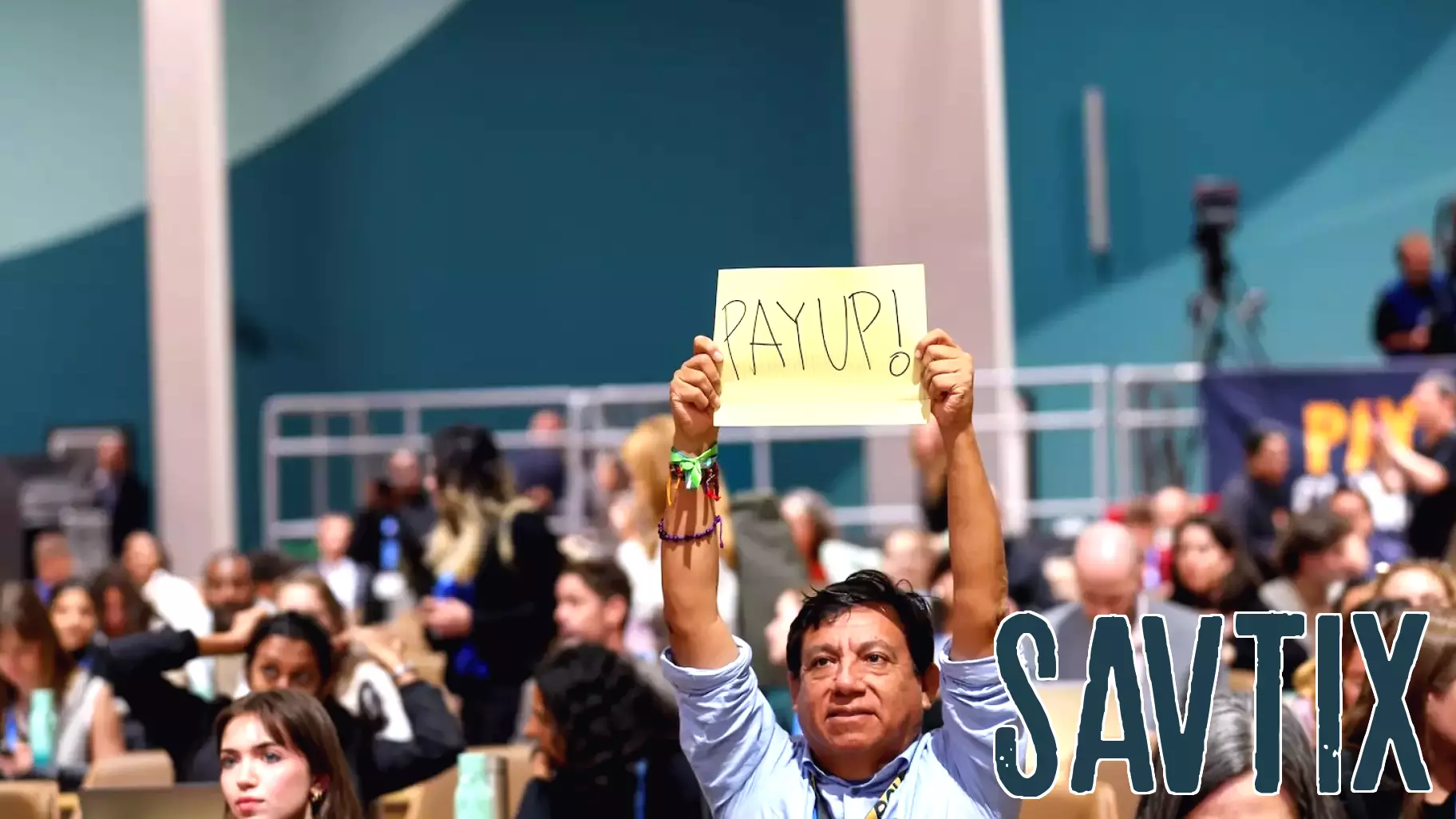
At COP29 in Baku, developed countries, including the EU, the US, and Japan, committed to generating “at least” $300 billion annually for climate finance by 2035. While this figure may appear substantial at first glance, a deeper analysis reveals that it may not be as ambitious as it seems.
This target raises questions about the adequacy of funding in addressing the escalating climate crisis. Experts argue that the current commitment falls short of what is necessary to meet global climate goals and support vulnerable nations facing severe climate impacts. The $300 billion figure, when broken down, may not account for the increasing costs associated with climate adaptation and mitigation efforts, particularly in developing countries.
Moreover, critics emphasize the need for transparency and accountability in how these funds will be mobilized and distributed. As the world grapples with the urgent realities of climate change, the effectiveness of this commitment will be closely scrutinized in the coming years.
MORE NEWS

October 25, 2026 - 20:39
Medifast Q3 Earnings Preview: Key Areas to WatchWellness company Medifast (NYSE:MED) will be announcing earnings results this Monday before market hours. Here`s what to look for. Investors will be closely watching the company`s revenue figures,...

October 25, 2026 - 12:02
United Rentals (URI) Files Shelf Registration That Could Open New Funding OptionsUnited Rentals (NYSE: URI) has filed a new shelf registration statement, a move that gives the company room to issue securities to the public in the future. The filing covers possible offerings of...

October 24, 2026 - 21:20
Three Financial Stocks Poised to Gain From Higher Yields and Market SwingsMarkets are suddenly rewarding patience and punishing blind faith in AI stories, as rising yields and fresh volatility put a harder price tag on risk. That shift can hurt highly leveraged growth...

October 24, 2026 - 11:23
SpaceX Threat Weighs on AT&T SharesAT&T shares fell sharply on Friday as investors reassessed the competitive threat posed by SpaceX, a company whose ambitions in satellite communications may be larger than the market previously...